On Wool
Wool is part of an ongoing debate about sustainability in fashion. It is praised as natural and renewable, criticised for its emissions and animal welfare, and often reduced to a single score in a sourcing database. Much of the discussion treats wool as one uniform material.
It is not. Wool comes from hundreds of breeds, each shaped by its own landscape, climate and farming tradition. A fleece from a transhumant flock in Spain, a small Alpine farm or an industrial Merino operation in Australia differs in character, and in impact. Treating these as the same fibre hides what makes each one distinct, and what makes some of them worth protecting.
Because we ask brands to choose European wool, we think it matters to explain why. This page covers the properties of the fibre, how its impact is measured and where those measurements fall short, and the questions we are most often asked.
The Material
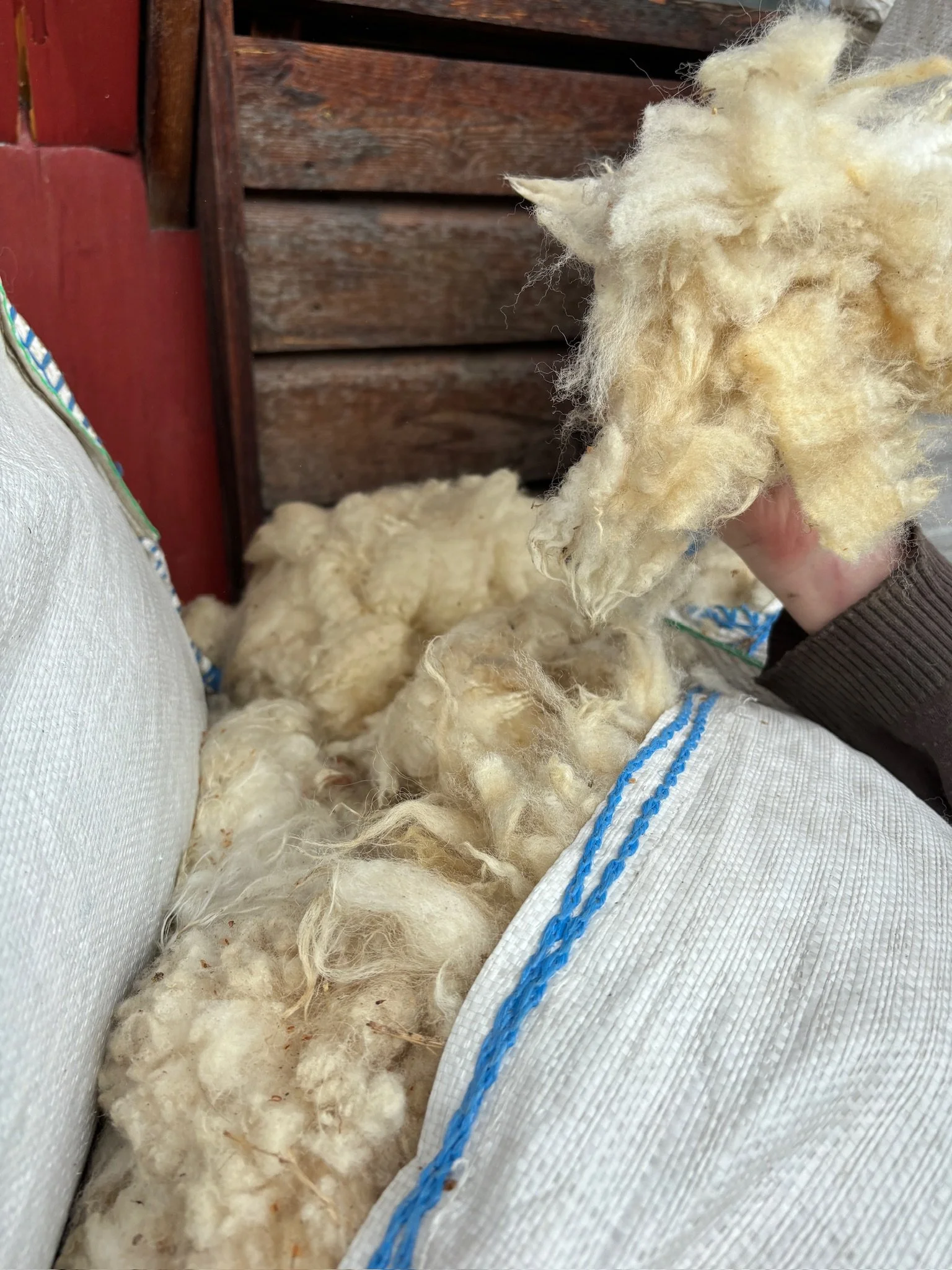
Wool is one of the oldest materials in human use. It has been made into clothing for at least ten thousand years.
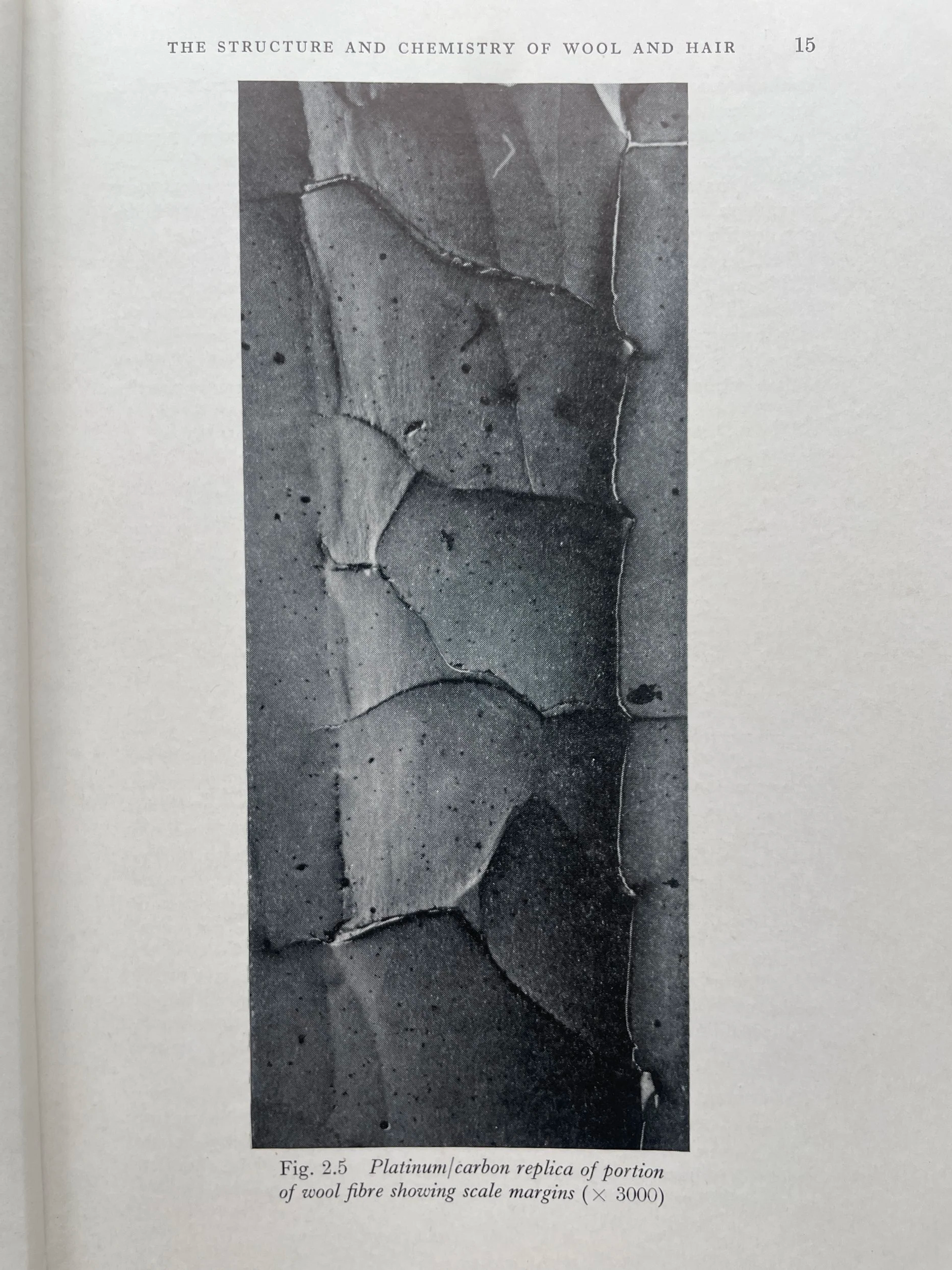
It is a protein fibre, structurally close to human hair and skin. It absorbs up to 30% of its own weight in moisture without feeling wet, releasing it slowly, which is what drives its temperature-regulating and odour-resistant properties. It is naturally fire retardant, returns to its shape after compression, and needs washing less frequently than most textiles. These properties are inherent to the fibre, not the result of chemical treatment or engineering.
Durability is one of the least discussed sustainability metrics in fashion. A garment worn thirty times has a fundamentally different footprint than one worn five, regardless of material. A well-made wool garment lasts decades. It can be repaired rather than replaced, and ages with use rather than degrading from it.
At the end of life, untreated wool biodegrades, returning nitrogen and nutrients to the soil within months to years. It can also be mechanically recycled: the system in Prato, Italy, has operated for over a century, recovering 80–90% of fibre from discarded garments. A recent study by the University of Leeds and Manteco found wool can pass through this process up to six times. A 100% wool garment has a credible circular pathway. A blended or synthetic garment typically does not.
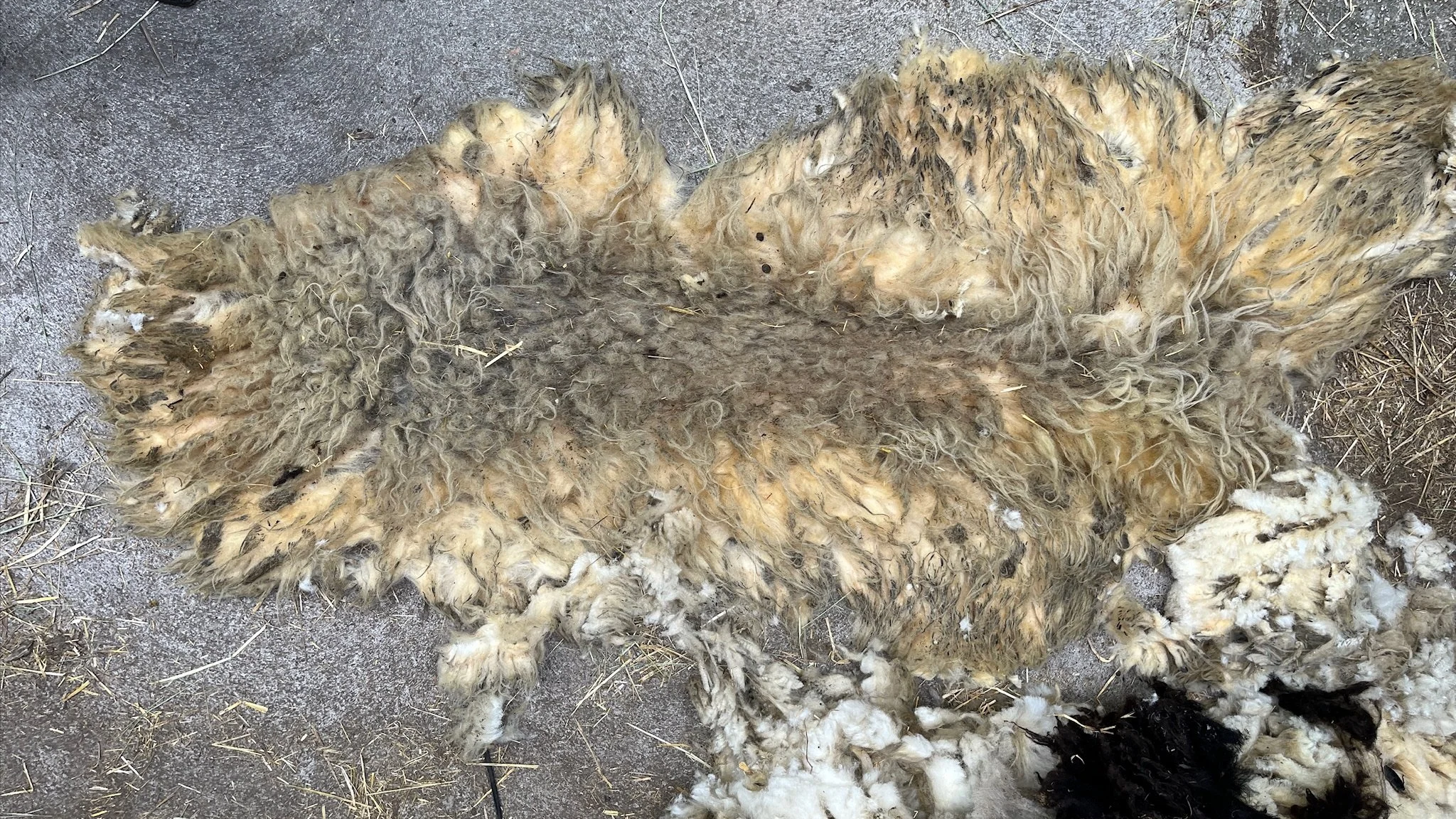
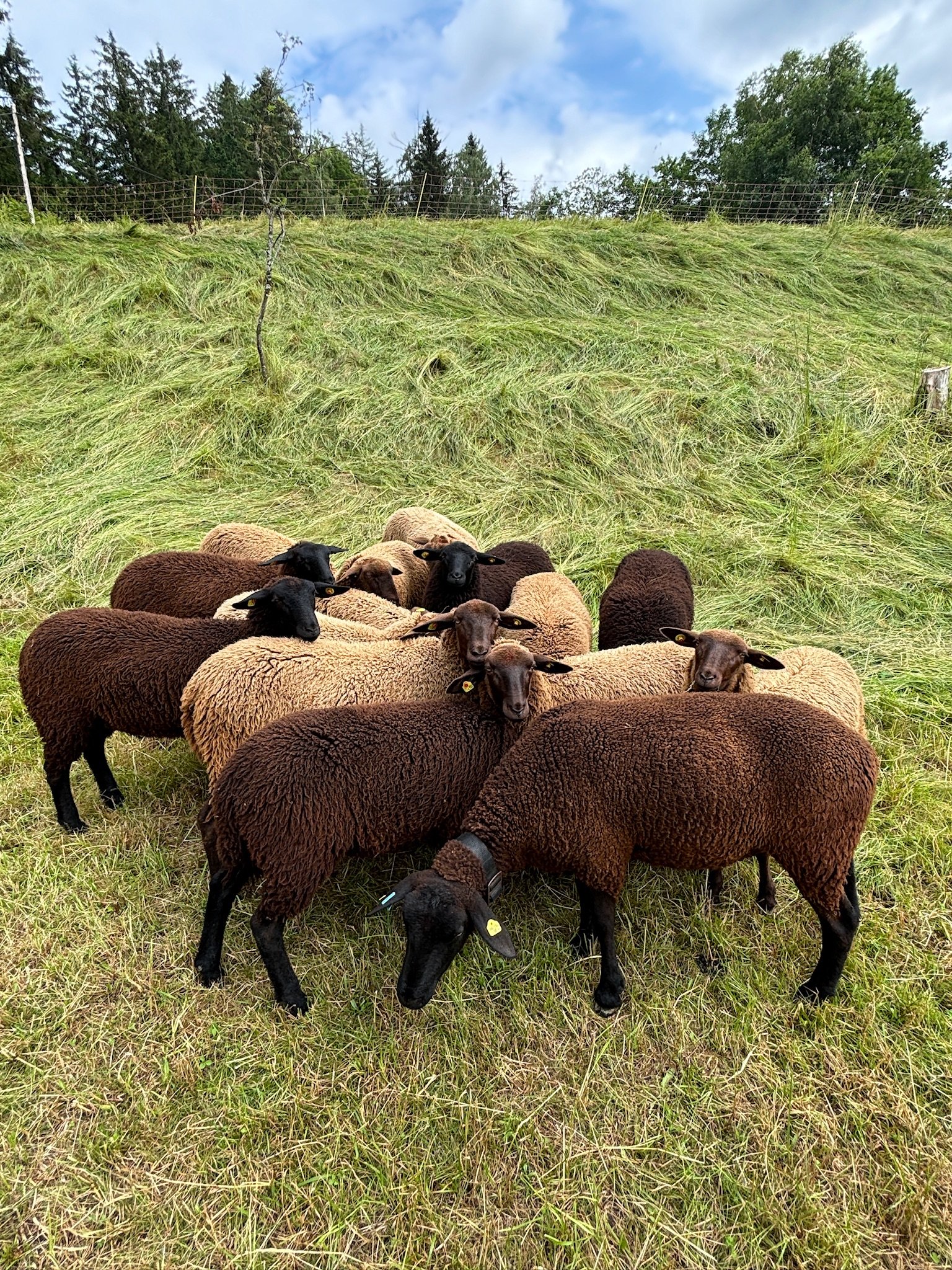
Some wools carry colour without dyeing. Several fibres in the Erda portfolio (including the Austrian Jura and the Alpine blend) are worked in their natural fleece colours, requiring no dyehouse, no water, no chemical process.
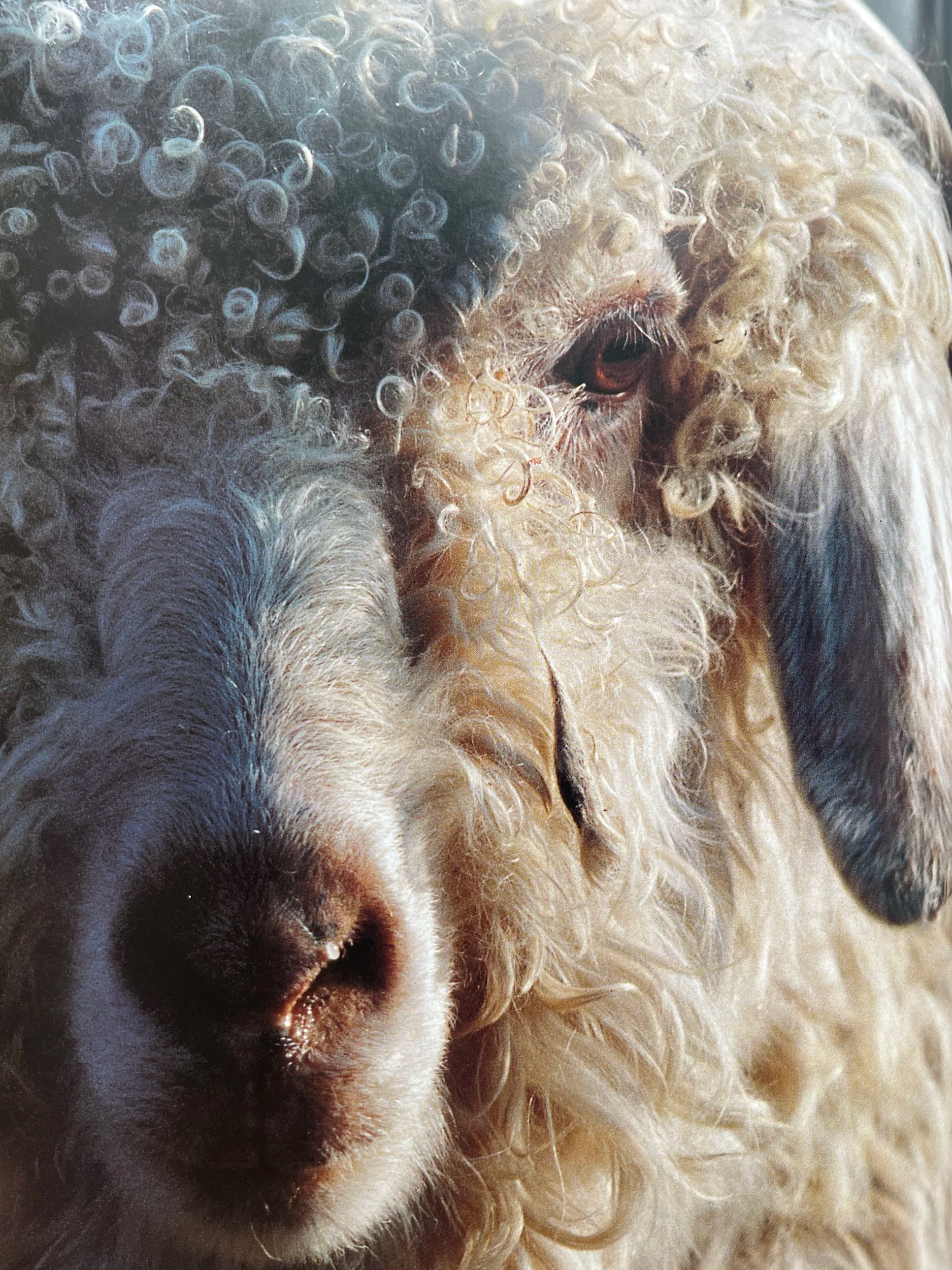
The breeds in the Erda portfolio are each the product of centuries of localised farming in specific landscapes, shaped by a particular climate, terrain, and way of life. That origin is present in the fibre.
Why European Wool goes unused
Europe has over 600 sheep breeds and produces approximately 180 million kilograms of wool annually. Most of it is discarded or sold below the cost of collection.
Today more than 70% of global fibre production is synthetic. According to Textile Exchange, by 2030 that figure is projected to reach 88%, predominantly crude-oil-based polyester. The small share that remains natural wool is overwhelmingly supplied by large-scale Australian Merino farming, which has built the infrastructure, consistency, and volume industrial fashion requires. European wool - regionally diverse, biologically variable, produced at human scale - does not fit this system easily.
The result is that European fleece has, in most cases, no commercial value. For many farms, wool arrives as a secondary output of sheep kept primarily for meat or dairy, shearing happens every spring whether or not there is a market for it. When there is no market, there is no economic reason to maintain the practices that would improve it. The wool is discarded because the system assigns it no worth.
Giving European wool value changes this. When a fleece commands a fair price, tied to responsible farming practices, it creates a direct economic incentive for the farmers who produce it. A fair price for wool gives farmers a concrete reason to maintain careful, low-intensity farming rather than intensifying toward cheaper alternatives, which is, in practice, what regenerative farming means in this context. It connects the economics of a garment to the ecology of the land it came from, and to the lives of the people managing that land.
Erda works directly with the farming and spinning communities connected to the yarns in its portfolio; paying fair prices, building long-term relationships, and treating the supply chain as something worth investing in, not just sourcing from.
The rise of synthetic fibres & textile waste
More than 70% of global fibre production is now synthetic, predominantly crude-oil-based polyester. As petrochemical companies face declining demand from the transport sector, fashion has become one of their most important growth markets. The growth of cheap synthetic fibre is, in part, an oil industry strategy.
Every wash of a synthetic garment releases plastic microfibres too small for most water treatment systems to capture. Synthetic textiles contribute 35% of primary microplastics released into the world's oceans annually. Microplastics have been found in human blood, lung tissue, placentas, and breast milk. Many synthetics also contain PFAS (forever chemicals) linked to endocrine disruption and long-term environmental persistence.
Despite heavy marketing around recycled polyester, less than 1% of textiles are currently recycled into new garments. Most rPET comes from plastic bottles, not discarded clothing, diverting material from closed-loop bottle recycling into garments that will still end in landfill. Most fashion is made from blended fabrics (natural/synthetic fibre mix) which cannot be mechanically recycled at all.
Bio-based synthetics like PLA are the next iteration: marketed as biodegradable, but a 2023 study from UC San Diego's Scripps Institution of Oceanography found PLA showed no sign of disintegration after 428 days in the ocean. It degrades only under specific industrial composting conditions that most end-of-life textile streams cannot access. The feedstock changes; the end-of-life problem does not.
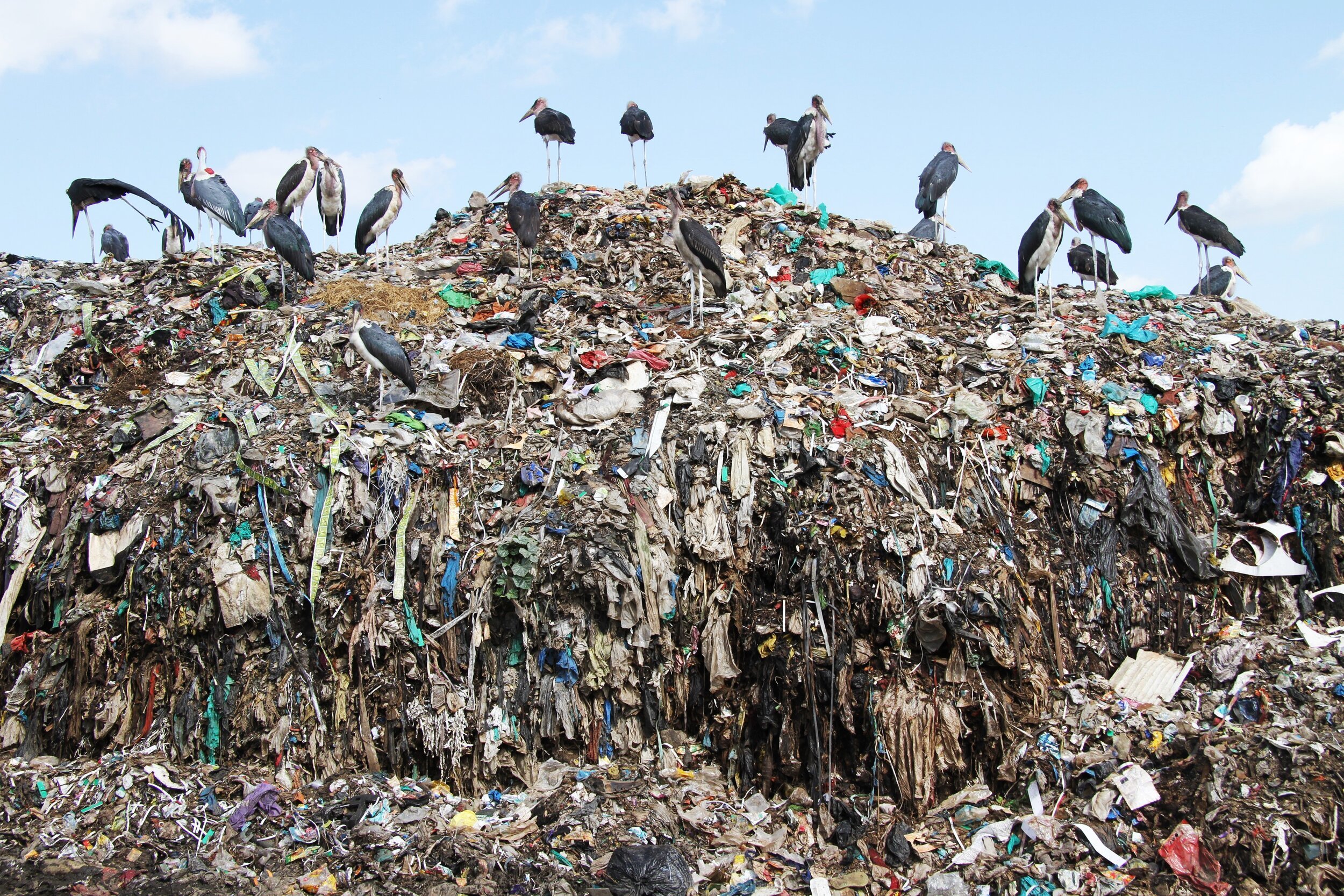
The fashion industry generates 92 million tonnes of textile waste annually. A significant share ends up in the Global South under the guise of second-hand donation. Kantamanto Market in Accra, Ghana, receives approximately 15 million garments every week; around 40% are immediately unusable. Accra has run out of landfill capacity. Clothing burns in open fires in neighbouring settlements; Greenpeace air samples showed benzene levels almost 200 times European indoor air guidelines. Infrared testing found 89% of clothing waste in Ghana's dumpsites contains synthetic fibres. This is waste colonialism: the cost of a production system built on disposability, exported to communities with the least power to refuse it.
How environmental impact is measured, and why this is misleading
Life cycle assessment (LCA) is the standard tool the fashion industry uses to compare the environmental impact of materials. It is one of the main frameworks brands use when making sourcing decisions. For natural fibres like wool, it is deeply flawed, and those flaws have steered the industry toward synthetics for years.
LCA was developed for industrial manufacturing: linear systems that move from raw material to product to waste. Wool production is a biological system embedded in natural carbon cycles. Applying an industrial measurement framework to it produces a systematically skewed result.
Sheep produce methane through digestion, and standard LCA counts this as a straightforward greenhouse gas emission, directly comparable to the CO₂ produced by burning fossil fuels. Tools like the Higg Materials Sustainability Index - widely used by brands to benchmark fibre choices - have ranked wool as more environmentally damaging than polyester on this basis. Many brands have shifted sourcing accordingly.
New research presented at the IWTO Congress in 2025, independently verified by TÜV SÜD, shows what the methodology misses. Sheep consume carbon through the grass they eat. That carbon is returned to the land as manure, supporting soil health and sequestration. Previous LCAs counted the methane but not the carbon going back into the ground, and as a result overstated wool's emissions intensity by more than 100%. When the full biological cycle is properly accounted for, wool's footprint falls by more than 70% under conservative scenarios. On some farms, the calculation turns net carbon-negative.
Most LCA models are also calibrated to large-scale Australian Merino farming (the source of most global wool data) and assume flock sizes, land use patterns, and farming systems that do not apply to small-scale European production. A transhumant flock grazing across hundreds of kilometres of biodiverse mountain pasture occupies a very different ecological position to a stationary, intensively managed operation. Standard LCA cannot account for that difference.
LCA also measures impact at the production stage while substantially underweighting end-of-life outcome, consistently favouring materials that appear clean to produce but defer their environmental cost into the future. A polyester garment that scores well at production will still take between 20 and 200 years to break down in landfill, shedding microplastics throughout. It does not disappear. No standard LCA methodology accounts for this adequately.
The EU Green Claims Directive, currently being phased in, will require brands to substantiate environmental claims with verified evidence, a direct challenge to LCA-based marketing that has disadvantaged natural fibres for years.
Certifications
European wool holds few of the certifications that brand sourcing teams look for. The Responsible Wool Standard (RWS) is the most prominent absence. This tends to be read as a welfare concern, but it is not.
The RWS was developed by Textile Exchange in 2016 in direct response to international attention on animal welfare conditions in large-scale industrial wool production, specifically mulesing, live export, and the management conditions of flocks numbering in the tens of thousands with minimal daily human contact. Mulesing is a surgical procedure performed on Merino lambs, typically without anaesthetic, to prevent flystrike. Australia is the only country in the world that still practises it. Despite an industry commitment made in 2004 to end the procedure by 2010, approximately 70–84% of Australian Merino wool still comes from mulesed sheep. The RWS was built to address this, and the corporate farming structures around it, which require third-party auditing because direct oversight at that scale is not possible.
None of these conditions exist in European sheep farming. Mulesing has never been practised here. EU animal welfare legislation is legally binding, nationally enforced, and in most respects more stringent than the RWS standard requires. European farmers do not need a voluntary certification to meet standards already mandatory under law.
RWS certification also requires a Textile Exchange membership fee plus annual third-party audit costs at every stage of the supply chain; farm, processor, spinner, and brand. For a small independent producer operating on thin margins, this is a substantial recurring expense. The framework was designed for industrial supply chains that can absorb it. For a family farming a small flock in the Austrian Alps, it offers no improvement to how the animals are kept, only an administrative burden, a high cost, and a label.
The absence of RWS from European wool reflects a mismatch between a global standard built for one context, applied as a benchmark to a very different one. Certification absence, here, says nothing about welfare.
Animal Welfare & European Flocks
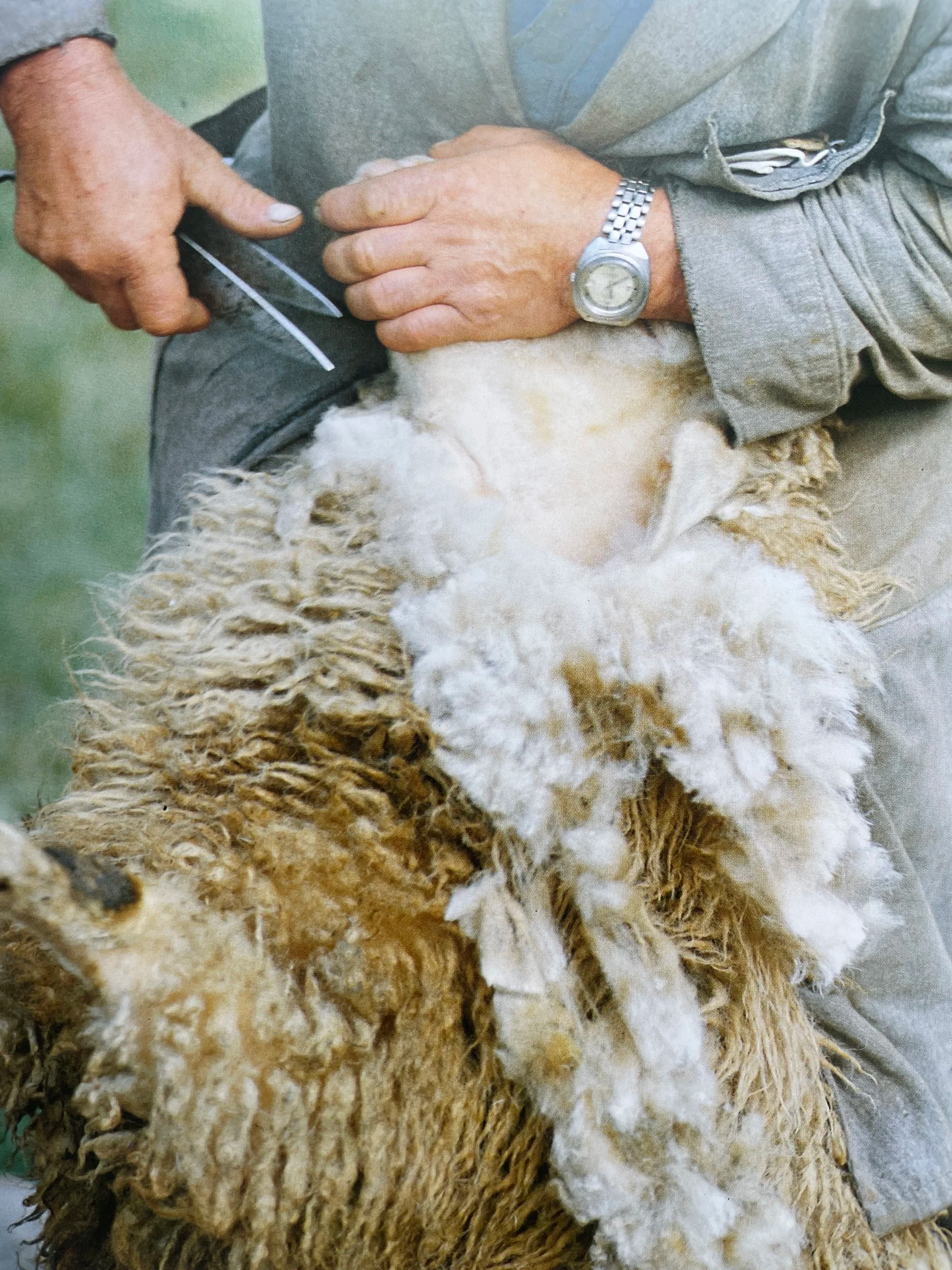
Wool's association with animal welfare concerns is almost entirely rooted in large-scale industrial farming, specifically in Australia, which supplies roughly 25% of the world's wool under conditions categorically different from European practice.
Sheep were domesticated by humans around 11,000 years ago. Over millennia, selective breeding shifted the focus toward fibre; developing animals that grew more wool, more continuously, than their wild ancestors ever would. Wild sheep shed their coats naturally each spring. Most modern wool breeds no longer do, which means shearing is both a welfare requirement and the practical means of harvesting the fleece. In Australia, this breeding logic was taken further: Merino sheep were developed to maximise fleece output at industrial scale, producing heavily wrinkled skin that retains moisture and attracts blowflies, making them vulnerable to flystrike, a fly larva infestation that can be fatal. The wrinkled neck and breech are not natural features of the species. They are the consequence of breeding for maximum yield. The response has been mulesing: a surgical procedure in which skin is cut from around the hindquarters of lambs, typically without anaesthetic. Australia is the only country in the world that still practises it. Despite an industry commitment made in 2004 to end the procedure by 2010, approximately 70–84% of Australian Merino wool still comes from mulesed sheep. An estimated 140 million lambs have undergone the procedure since 2010 alone.
None of this applies to European sheep farming. Mulesing has never been practised here. Flock sizes are small. Breeds have been shaped by specific landscapes over centuries, not by the demands of maximised output. The relationship between farmer and flock is close and seasonal.
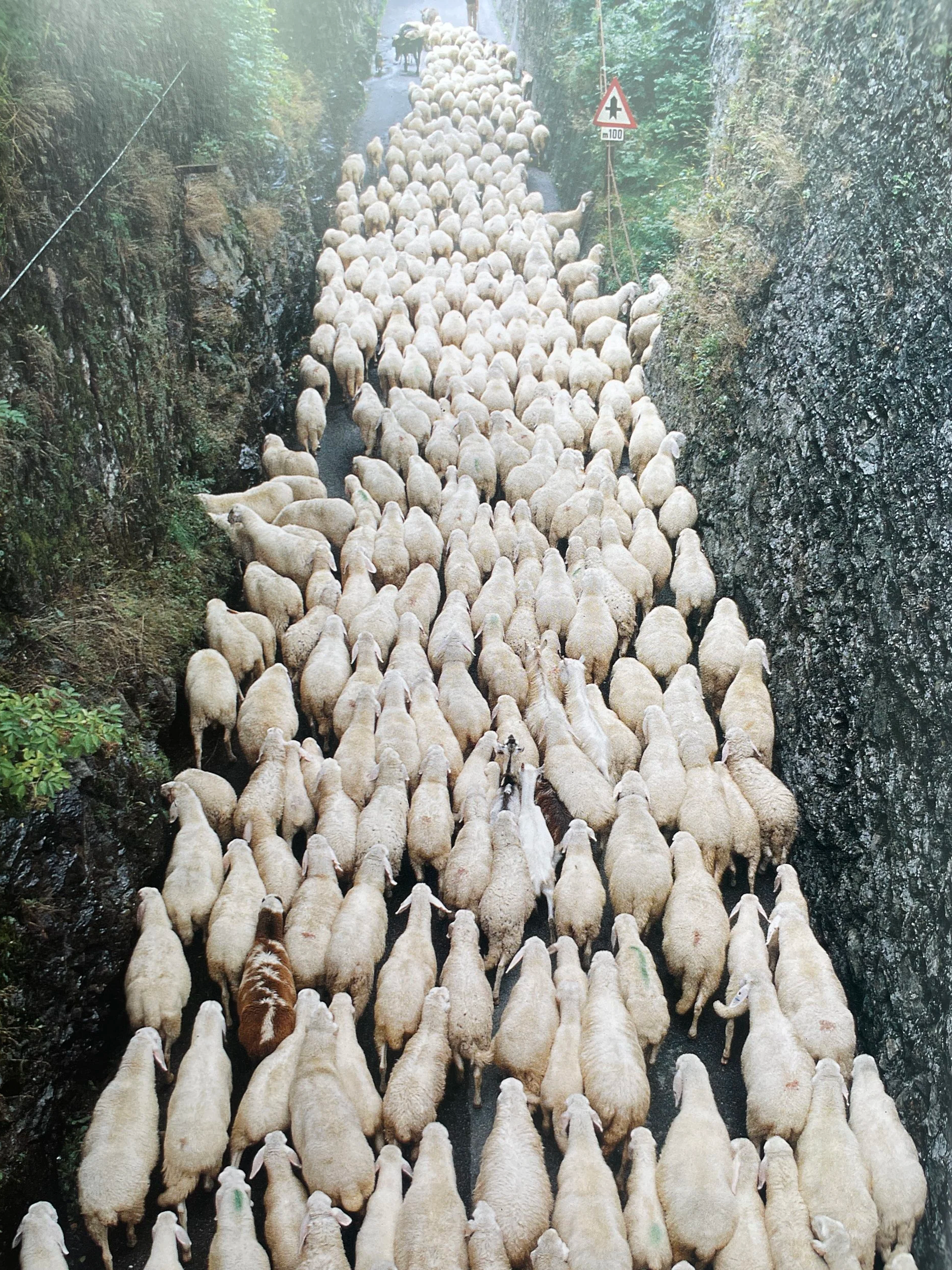
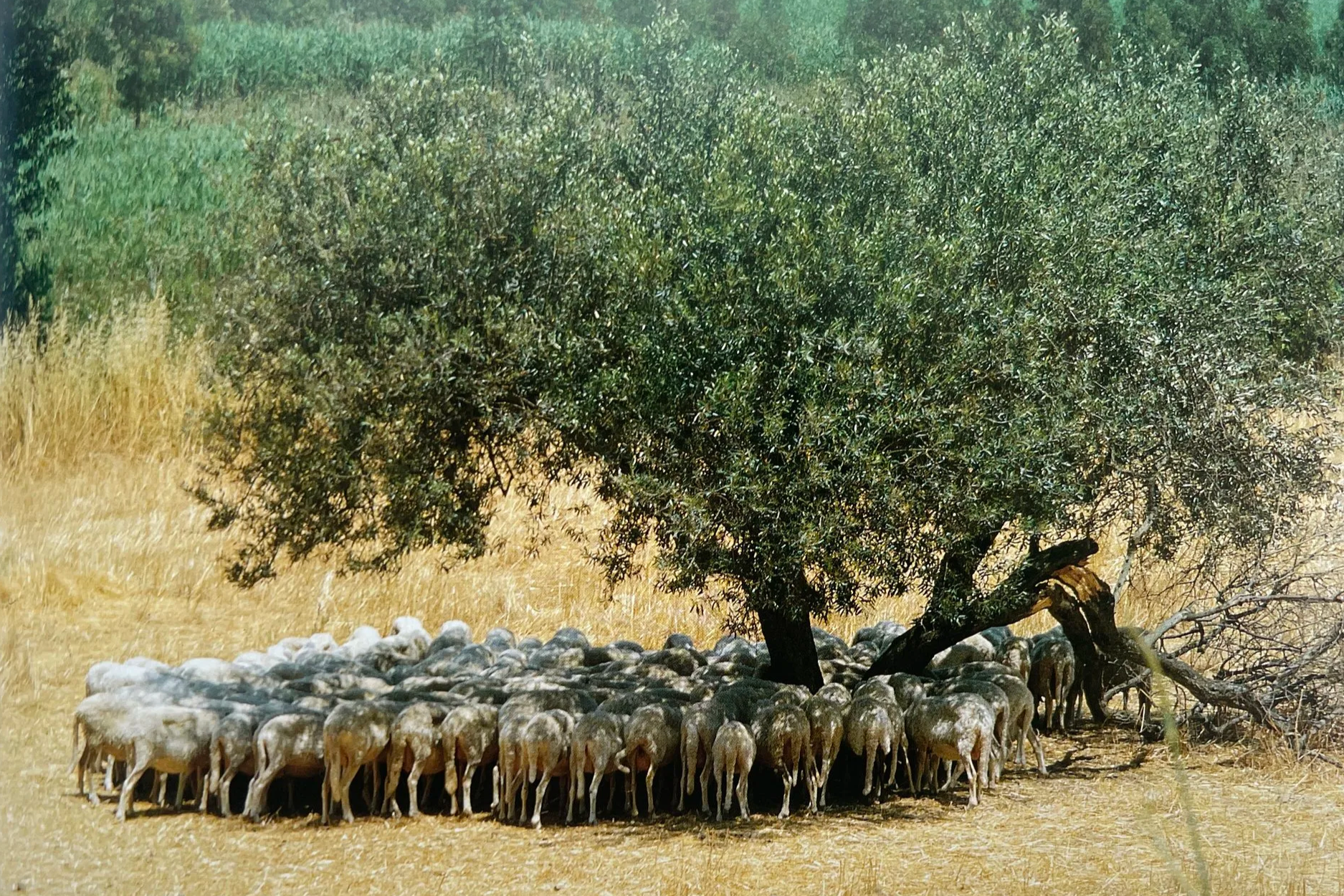
Some farmers still practice transhumance; the seasonal movement of flocks between valley and mountain, following routes used for thousands of years. It distributes grazing pressure across large landscapes, prevents soil compaction, supports biodiversity, and maintains open terrain that fixed agriculture cannot reach. In Spain, fewer than 0.5 million of the country's 15.5 million sheep now perform the seasonal migration, down from 3.5 million in the eighteenth century. The practice is disappearing, not because farmers are abandoning it by choice, but because the conditions that made it viable are eroding: routes fragmented by roads and development, rural communities ageing and depopulating, embodied knowledge not being passed on. Giving wool value gives the farmers who still practise it an economic reason to continue.
The local value chain of wool
The yarns in the Erda portfolio travel from farm to processor to spinner within Europe, sometimes within a single country. Shorter distances, lower freight emissions, a supply chain short enough to be genuinely traced rather than claimed.
Economic value stays within European farming and processing communities rather than being absorbed by global commodity systems. Two-thirds of Europe's nine million farms are family smallholdings. These are the operations that disappear first when the economics of farming collapse, and the hardest to rebuild once gone
Shorter chains are also more accountable. When the distance between a shepherd and the brand using their wool is measured in hundreds of kilometres rather than tens of thousands, the people and practices involved can be known, visited, and held to account.
What we claim, and what we can’t
Wool is not a perfect material. Sheep farming carries land use and water implications that vary by context and management. Wool processing uses water, though European mills increasingly operate closed-loop systems. We do not make claims about European sheep farming as a whole.
What we do claim is this: the yarns in the Erda portfolio come from traceable, named origins. The farms we work with operate within the strictest animal welfare legislation in the world. The fibre is a natural, annually renewable output, and when it commands a fair price, that price flows to the farming communities who produce it, creating an economic reason to maintain the careful practices that make it good.
Wool biodegrades in its untreated form. It recycles through proven infrastructure at recovery rates no synthetic can match. It performs without chemical enhancement.
And yet Europe produces 180 million kilograms of wool annually, most of which is currently discarded or sold below the cost of collection. A material that biodegrades, recycles, and regulates temperature without engineering is being treated as waste, while the industry invests in synthetic alternatives that attempt to replicate exactly these properties, at greater environmental cost.
The most significant material innovation available to fashion right now is not a new fibre. It is a return to one that has been here all along.